Why Organic CBD Balms Deserve a Spot in Your Wellness Routine
When I first started exploring CBD topicals a few years ago, I was skeptical. The market was already flooded with lotions, salves, and roll-ons, each promising relief from sore muscles or restless sleep. But after a few disappointing experiences with products that felt greasy or did nothing at all, I started paying closer attention to ingredients. That is when I discovered the difference a clean formula makes. The balms that actually worked for me were the ones built on simple, plant-based foundations. And over time, I have come to rely almost exclusively on organic cbd balms for targeted relief.
The shift toward organic matters more than most people realize. Your skin is not a barrier in the way we used to think. It absorbs much of what you put on it, so the quality of every ingredient in a balm matters. Pesticide residues, synthetic fragrances, and cheap carrier oils can all end up in your system. That is why I now look for balms that start with certified organic ingredients. Brands like Joy Organics and CBDistillery have earned my trust because they prioritize clean sourcing. Their balms feel different on the skin, less sticky, more absorbent, and the effects come on more consistently.
What sets organic cbd balms apart is not just the hemp extract. It is the whole formula. A good balm usually combines a few key carrier ingredients. Coconut oil is a favorite because it penetrates the skin quickly and carries the cannabinoids deeper. Shea butter adds a slow melt that keeps the balm from feeling greasy. Beeswax gives structure and a slight protective layer. Hemp seed oil brings its own fatty acid profile that complements the CBD. When these ingredients are organic, you avoid the chemical residues that can interfere with absorption and cause irritation.
The Science Behind the Balm
Understanding why balms work better than some other topicals comes down to the entourage effect, a term used to describe how the many compounds in hemp work together. CBD is just one piece. Full-spectrum balms also contain minor cannabinoids like CBG, CBN, and CBDA, each of which interacts with your endocannabinoid system in slightly different ways. CBN, for example, is mildly sedating, which makes it useful in bedtime balms. CBG is being studied for its potential anti-inflammatory properties. When you apply a balm that preserves these minor compounds, you get a more rounded effect than you would from an isolate.
Terpenes also play a major role. Myrcene is one of the most common terpenes in hemp and has a reputation as a muscle relaxant. Caryophyllene can bind to CB2 receptors in the immune system, which may explain why some balms help with localized discomfort. Limonene adds a citrus note and may support absorption through the skin. These aromatic compounds are not just for scent. They contribute directly to the therapeutic experience. I have found that balms listing specific terpene profiles tend to feel more predictable in how they work.
Brands like Lazarus Naturals and Charlotte's Web have invested heavily in third-party testing and transparent labeling. They publish their cannabinoid and terpene profiles, which helps you choose a balm suited to your needs. Charlotte's Web, for instance, offers a balm formulated with arnica, a botanical known for soothing bruised or overworked muscles. Green Roads also makes a well-regarded topical that combines CBD with cooling agents for a different kind of relief. None of these brands rely on synthetic additives. They build their formulas around the plant itself.
What to Look for on the Label
If you are shopping for a balm, the label tells you more than you might think. The first thing I check is whether the product carries the US Hemp Authority certification. This seal means the hemp was grown and processed under standards that include testing for pesticides and heavy metals. The National Hemp Association also provides guidance on best practices, though not all producers participate. The Farm Bill 2018 federally legalized hemp cultivation, which opened the door for more rigorous quality control, but it is still up to you to verify the source.
Next, look at the carrier oils. Organic coconut oil and organic shea butter are good signs. If the balm contains beeswax, check that it is food-grade and ideally from a trusted supplier. Hemp seed oil is another strong indicator of quality, since it shows the brand is using the whole plant rather than just the extract. Avoid balms that rely on mineral oil or petrolatum. Those ingredients sit on top of the skin and can trap bacteria, and they have no place in a product meant for absorption.
I also pay attention to the extraction method. CO2 extraction or ethanol extraction tends to preserve a wider range of cannabinoids and terpenes than simple oil infusion. The best balms will tell you how the CBD was extracted. If the label is vague, that is a red flag. Brands like CBDistillery and Joy Organics are transparent about their methods, which is why I keep coming back to them.
How I Use Balms in Practice
I keep a tin of organic cbd balms in my gym bag and another by my bedside. After a long run, I massage a pea-sized amount into my calves and the arches of my feet. The combination of CBD, CBG, and terpenes like myrcene helps ease the tightness faster than stretching alone. At night, I use a balm with CBN and a touch of lavender. It does not knock me out, but it takes the edge off restless legs and helps me settle into sleep more easily.
A balm is also my go-to for travel. Unlike tinctures or oils, balms are solid, so they do not leak in your bag. They are also discreet. I have applied a balm under the table at a conference without drawing attention. The effects are localized and subtle, which is exactly what you want in a professional setting. I have recommended them to colleagues who sit at desks all day and complain about wrist or lower back pain. Most of them were surprised by how well a targeted balm worked compared to a general lotion.
Balms Are Not a Cure-All
It is worth being honest about what balms cannot do. They will not fix systemic inflammation or deep tissue injury. They are best for surface-level muscle tension, joint stiffness, and localized skin discomfort. The CBD and other cannabinoids penetrate only a few millimeters into the skin. That is enough to reach the cannabinoid receptors in the dermis and underlying muscle fascia, but it will not enter your bloodstream in meaningful amounts. If you need whole-body effects, you are better off with a tincture or edible.
There is also the matter of potency. Not all balms are created equal. A balm with 100 milligrams of CBD per ounce is very different from one with 500 milligrams. Start with a lower concentration and see how your body responds. I have found that a moderate dose applied consistently works better than a high dose used sporadically. Your skin can only absorb so much at once. Applying more than a dime-sized amount is usually wasteful.
Another consideration is the presence of arnica or other botanicals. Arnica can be effective for bruising, but it should not be used on broken skin. Always read the full ingredient list. If you have sensitive skin, patch test a small area first. I learned this the hard way when a balm with a high concentration of essential oils left a red mark on my wrist. Organic formulas tend to be gentler, but they are not automatically hypoallergenic.
The Bigger Picture
Choosing organic cbd balms is not just about personal wellness. It supports a supply chain that avoids synthetic pesticides and chemical fertilizers. That matters for the farmers, the soil, and the water table. The hemp plant is a bioaccumulator, meaning it pulls toxins from the ground. If the soil is contaminated, those toxins end up in the balm. Organic certification is one of the few assurances you have that the hemp was grown in clean conditions.
I have also noticed that organic balms tend to smell better. They carry the natural scent of the carrier oils and terpenes rather than a synthetic fragrance designed to mask cheap ingredients. A balm with caryophyllene and limonene smells like a walk through a citrus grove, not like a candle aisle. That might seem like a small thing, but when you apply something to your skin every day, the sensory experience matters.
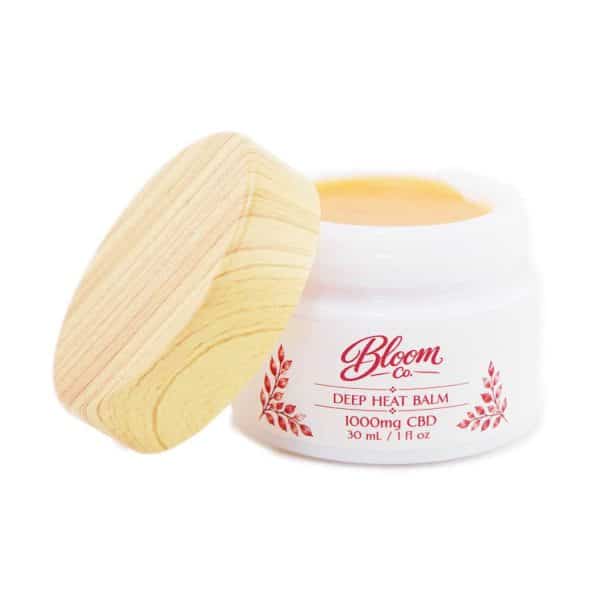
The market for CBD topicals is only going to grow. More brands are entering the space, and the competition is driving up quality. But the responsibility still falls on you to read labels, ask questions, and choose products that align with your values. The brands I trust, Lazarus Naturals, Charlotte's Web, Green Roads, Joy Organics, and CBDistillery, have earned that trust by showing their work. They publish test results, source organic ingredients, and formulate with care. That is the standard I look for, and it is the standard every balm should meet.
At the end of the day, a balm is a simple thing. A blend of oils and waxes infused with hemp extract. But when it is made well, from organic ingredients, with attention to the full spectrum of cannabinoids and terpenes, it becomes something more. It becomes a tool you can rely on. And that is worth reaching for.